
Medical appointments can become a significant part of life as a parent grows older. One specialist may order a test, another may change a recommendation, and a follow-up visit may need to be scheduled weeks later. Add transportation, paperwork, questions, and family communication, and even routine healthcare can start to feel complicated. Senior care can provide practical support that helps older adults and their families stay organized without making every appointment a source of stress.
For adult children, the challenge is often not one appointment. It is keeping track of everything surrounding it while respecting a parent’s independence. A simple system and dependable day-to-day assistance can make healthcare routines easier to manage.
Start With One Reliable Appointment System
Missed appointments sometimes happen because information is scattered. One appointment is written on a refrigerator calendar, another is saved in a phone, and a third is mentioned during a rushed conversation.
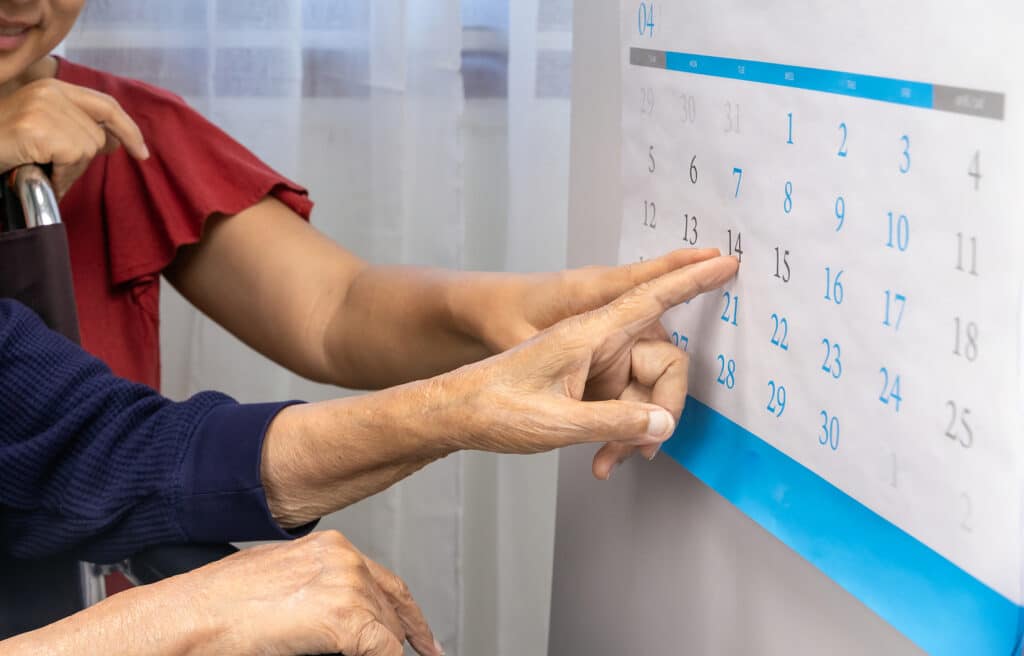
Families can reduce confusion by choosing one primary place to record healthcare information. A paper calendar may work well for a senior who prefers something visible. Others may be comfortable with a shared digital calendar that adult children can access.
For each appointment, record more than the date and time. Include the provider’s name, location, reason for the visit, and any preparation instructions provided by the medical office.
Keeping this information together makes it easier to see what is coming and prepare in advance.
Prepare Questions Before the Visit
Medical appointments can feel rushed, particularly when several concerns need to be discussed. Seniors may also forget a question they intended to ask once the conversation begins.
Creating a short list beforehand can help. Families might encourage their loved one to write down recent concerns as they arise instead of trying to remember everything on appointment day.
Questions could involve changes the senior has noticed, instructions that were unclear, or what to expect before a scheduled test. The healthcare provider remains the appropriate source for medical guidance.
Preparation also helps seniors remain involved in their own healthcare. Rather than having an adult child speak for them automatically, families can help organize questions and allow the older adult to lead the conversation whenever possible.
Keep Important Information Together
Appointments frequently involve forms, identification, insurance information, medication lists, or instructions from previous visits. Searching for these items just before leaving can add unnecessary pressure.
A dedicated folder can simplify the process. Depending on the senior’s healthcare needs, it might contain:
- An updated medication list
- Provider contact information
- Upcoming appointment details
- Questions for the next visit
- Written instructions received from healthcare providers
- Insurance and identification information
- Notes the senior or family wants to remember
Sensitive documents should always be stored securely. The goal is simply to create a dependable system so necessary information is easier to locate when needed.
Make Transportation Part of the Plan
Getting to an appointment can become difficult when a senior no longer drives or feels uncomfortable traveling alone. Even when an adult child usually provides transportation, work schedules and family obligations can make daytime appointments difficult.
Transportation should be considered when the appointment is scheduled rather than the night before. Families can confirm who will accompany the senior, when they need to leave, and whether mobility needs could affect how much travel time is necessary.
Superior Home Care provides transportation to and from medical appointments as part of its care services. Having dependable assistance available can reduce the pressure on family members while helping seniors keep important appointments.
Help Seniors Understand What Happens Next
The period after an appointment can sometimes be more confusing than the visit itself. There may be paperwork to review, another appointment to schedule, or instructions to follow at home.
Before leaving the medical office, seniors or the person accompanying them can ask for clarification about anything they do not understand. Written instructions can be especially helpful because details are easy to forget once everyone returns home.
At home, keeping those instructions in the same organized location makes them easier to reference. Caregivers can also provide medication reminders according to the senior’s established routine and care plan.
Senior care can support the practical side of following a healthcare routine, but medical decisions and explanations should remain with qualified healthcare professionals.
Decide How the Family Will Communicate
Healthcare information can become stressful when several relatives are involved. One sibling attends an appointment, another calls the parent later, and someone else hears a different version of what happened.
Families may benefit from deciding in advance how information will be shared, with the senior’s permission. One family member might serve as the main point of contact, or siblings may use a shared communication method for appointment dates and updates.
The older adult should remain at the center of these conversations. Families should avoid discussing a parent’s healthcare as though the parent is no longer capable of participating simply because some assistance is needed.
Watch for Signs the System Is Becoming Too Much
An occasional forgotten appointment can happen to anyone. A pattern of difficulties, however, may indicate that additional daily support would be helpful.
Families may notice unopened appointment reminders, repeated confusion about dates, difficulty arranging transportation, or growing anxiety before medical visits. A senior may also begin postponing appointments because organizing the trip feels exhausting.
These problems do not necessarily mean a parent can no longer live independently. They may simply indicate that certain responsibilities have become harder to manage alone.
Adding the right assistance can protect independence by helping the senior continue handling other parts of daily life successfully.
Reduce the Pressure on Family Caregivers
Adult children often become the unofficial organizers of a parent’s healthcare. They schedule appointments during lunch breaks, rearrange workdays to provide rides, pick up groceries afterward, and call siblings with updates.
That level of involvement may be manageable occasionally. When appointments become frequent, it can create considerable pressure.
Superior Home Care can assist with transportation, errands, medication reminders, meal preparation, personal care, and other everyday needs. Having help with these responsibilities can give family members more room to focus on their relationship with their loved one instead of constantly managing logistics.
Make Healthcare Routines Easier to Manage
Aging often means interacting with the healthcare system more frequently, but every appointment does not have to disrupt the entire family’s schedule. Organization, preparation, clear communication, and practical assistance can make the process feel much more manageable.
Senior care can help address the everyday responsibilities surrounding appointments while allowing healthcare professionals to handle medical guidance. With support from Superior Home Care, older adults can continue participating in their healthcare decisions while families have greater confidence that transportation, routines, and other practical needs are being addressed.
A calmer system benefits everyone. The senior remains involved and respected, while adult children can spend less time worrying about what might have been forgotten and more time simply being family.
If you or an aging loved one are considering senior care in McKeesport, PA please contact the caring staff at Superior Home Care today. (412) 754-2600
Superior Home Care provides Home Care Services in the Greater Pittsburgh area, West Mifflin, Jefferson Hills, Bethel Park, Baldwin, McKeesport, Monroeville, Monongahela, Pleasant Hills, Penn Hills, Verona, Wexford, Glenshaw, and North Hills.

- Helping Seniors Maintain Hygiene and Dignity with Daily Assistance - October 6, 2026
- Growing Together: October News from Superior Home Care - September 28, 2026
- Breast Cancer Recovery at Home: Supportive Care Tips for Older Adults - September 17, 2026